Key takeaways
- Acoustically challenging spaces are difficult because reflections, mounting height, and room geometry overwhelm the direct sound the listener needs.
- Matching the loudspeaker format to the room is essential; passive columns excel at low mounting heights, while steerable arrays maintain control when ceilings are high or surfaces are reflective.
- In these environments, intelligibility depends more on beam control and vertical directivity than sheer output or the number of loudspeakers installed.
- Modeling reveals problems long before installation, helping designers choose the right tool — passive column, steerable array, or point-source — to work with the room rather than against it.
- With intentional design, even the most reflective, reverberant, or architecturally constrained spaces can achieve clear, consistent, intelligible sound.


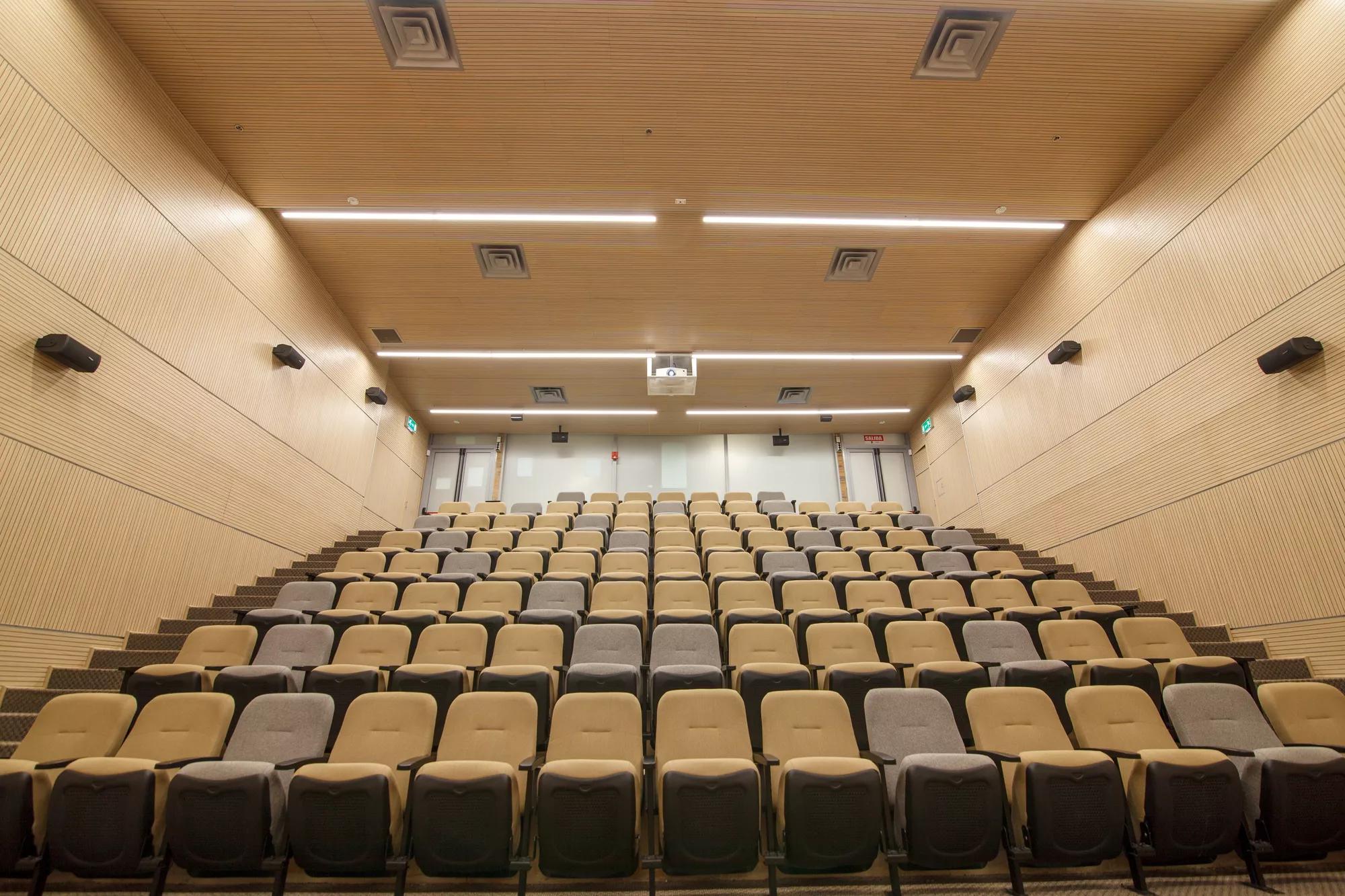
When you walk into a room — whether it’s a reverberant house of worship, a tall atrium, a long lecture hall, or a hard-surfaced community space — you can usually tell within a few seconds whether the audio system is fighting the room. Speech feels muddy, music loses clarity, and coverage changes dramatically as you move through the space.
These are the rooms integrators often describe as “difficult,” and they’re spaces where traditional loudspeaker approaches don’t always behave the way people expect.
Designing for acoustically challenging spaces is something Bose Professional has been doing for decades. Across thousands of projects and countless room types, one truth remains constant: the room always wins — unless the system is built to work with it. And that starts with understanding how acoustics and loudspeaker behavior interact long before a system is installed.
Acoustically difficult rooms aren’t just a technical challenge. They’re an opportunity to design more intentionally — and to deliver dramatically better results when you do.
Choosing the Right Loudspeaker Format for the Room
Every difficult room is challenging for a different reason. Matching the loudspeaker to the space is the most important part of the design.
Here’s how designers often approach it:
Use a passive column array when…
- Mounting height is low or moderate
- The room isn’t extremely reflective
- Coverage is primarily speech-focused
- Visual impact needs to be minimal
Use a steerable array when…
- Mounting height is high
- The room is reverberant or highly reflective
- You need long-throw coverage
- You need beam-split capabilities for balcony + floor
- Architectural constraints dictate placement
Use a point-source loudspeaker when…
- The room is wide and coverage must expand laterally
- SPL requirements exceed what a column array can deliver
- The acoustic challenges are not tied to height or reflection paths
Matching form factor to room geometry is one of the biggest contributors to successful outcomes in complex spaces — and one of the most overlooked.
Why Some Rooms Are So Hard to Get Right
- Tall ceilings that force high mounting heights
- Highly reflective surfaces — like glass, tile, marble, concrete
- Long, narrow rooms where energy travels farther than expected
- Architectural or aesthetic constraints that dictate loudspeaker placement
- Rooms where multiple uses compete:
- Speech
- Music
- Performance
- Ambient content
The Role of Beam Control in Difficult Rooms
Directivity is one of the most powerful tools a system designer has. The more precisely a loudspeaker can shape its vertical or horizontal energy, the more predictable the results become.
In challenging spaces, this matters for three reasons:
- Direct energy needs to reach listeners before reflections do
- Vertical spill can energize ceilings, balconies, or back walls
- Mounting height can dramatically change the effective coverage pattern
For example, traditional column arrays work beautifully when they’re mounted close to ear height. Their natural vertical pattern keeps energy focused on the audience and away from reflective surfaces.
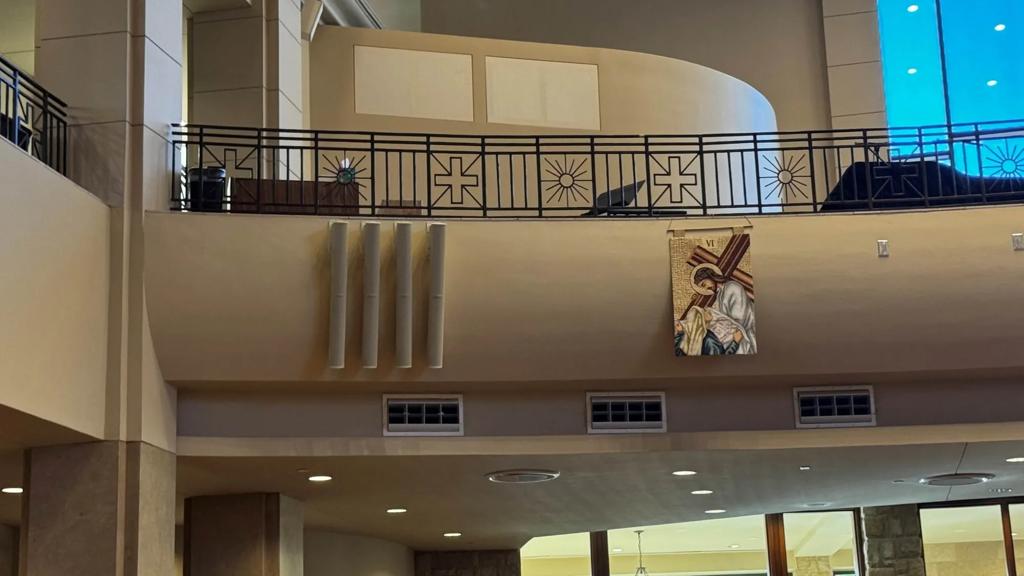
But mount that same column high on a wall — as aesthetics often require — and the vertical beam widens dramatically. The loudspeaker behaves differently simply because of the height, resulting in poor control, more reflections, and a significant drop in clarity.
This is where many “simple” designs begin to break down.
When Passive Columns Work — and When They Don’t
Passive column arrays are incredibly effective in the right context. They offer:
- Clean aesthetics
- Narrow vertical beams at low mounting heights
- Predictable performance in rooms with moderate reverberation
- Strong speech intelligibility in near to mid-throw applications
But they’re highly sensitive to the relationship between mounting height and listening plane.
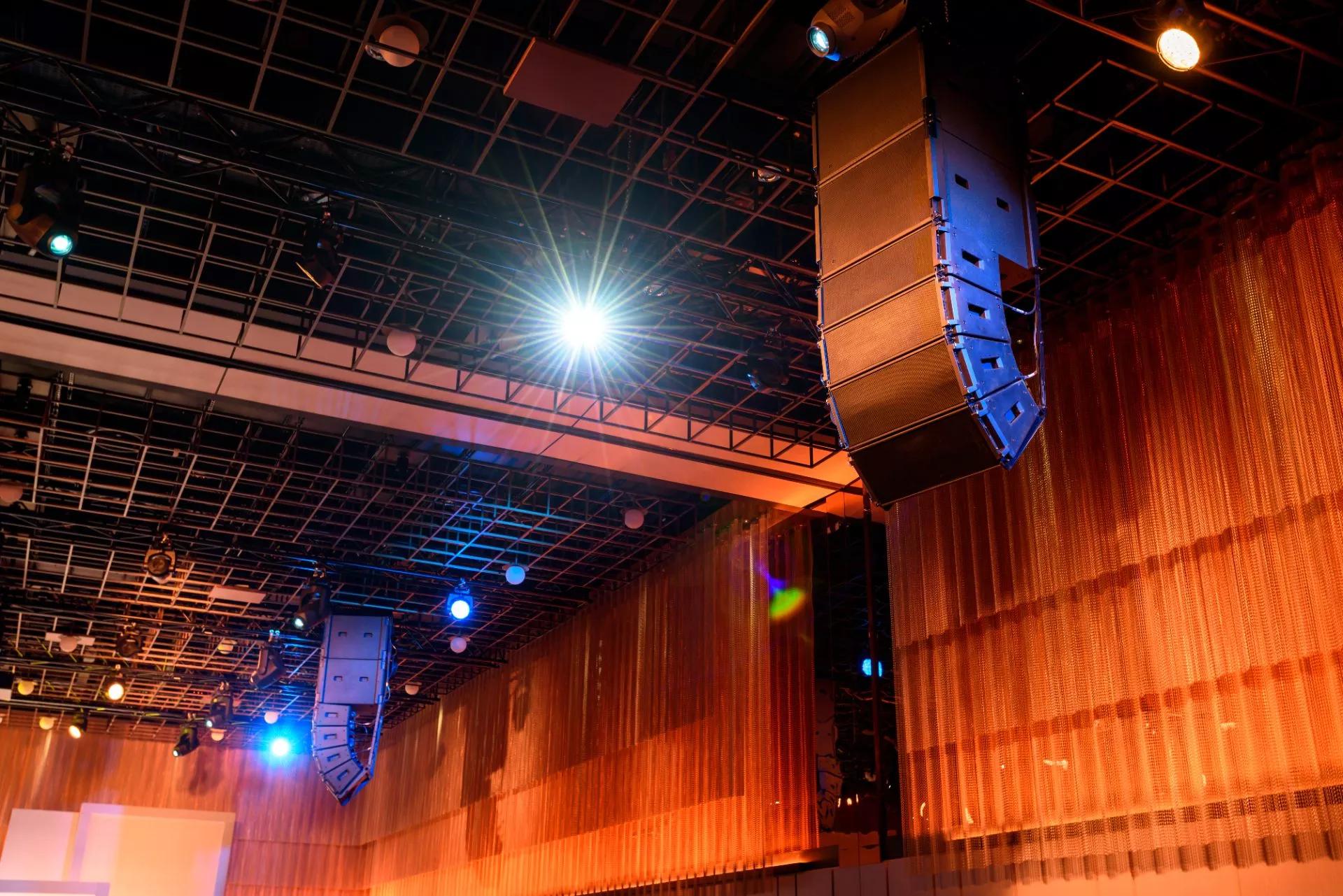
When mounted too high — often unavoidable in atriums, houses of worship, or lecture halls — their vertical control broadens. Energy hits more reflective surfaces. Coverage becomes uneven. And the room begins to dominate the listener’s experience.
That’s when steerable arrays become essential.
Why Steerable Arrays Change What’s Possible
Steerable arrays allow designers to “aim” sound electronically, creating precise coverage without relying solely on physical angle or mounting height.
This matters because it enables:
- Accurate placement of the acoustic beam onto the seating area
- Strong direct-to-reverberant ratios, even in reflective spaces
- Split beams for balcony + floor coverage
- Predictable long-throw performance
- Cleaner results from high mounting positions
In challenging rooms, steerable arrays don’t simply improve coverage — they solve problems that passive arrays can’t avoid.
They allow the system to work with the architecture instead of fighting it.

Why Modeling Matters More in Acoustically Challenging Rooms
Prediction is crucial in difficult environments because it reveals problems long before a speaker is hung.
Modeling helps designers evaluate:
- Vertical and horizontal beam behavior
- Expected SPL across the listening area
- Reflection paths and potential hotspots
- The impact of mounting height
- Whether a passive or steerable column is appropriate
- How the room’s geometry will affect intelligibility
This is why design support is one of Bose Professional’s most important engineering services. It allows integrators to visualize coverage, explore multiple approaches, and make informed decisions before any wiring, mounting, or tuning takes place.
In challenging spaces, modeling isn’t optional, it’s foundational.
A Real-World Lesson from Difficult Spaces
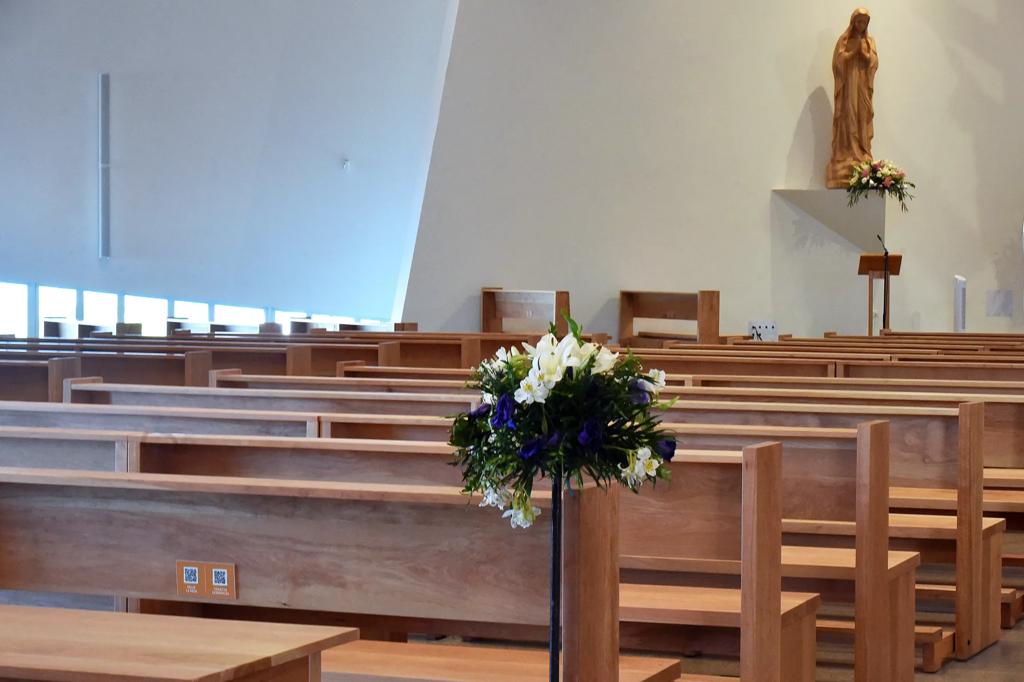
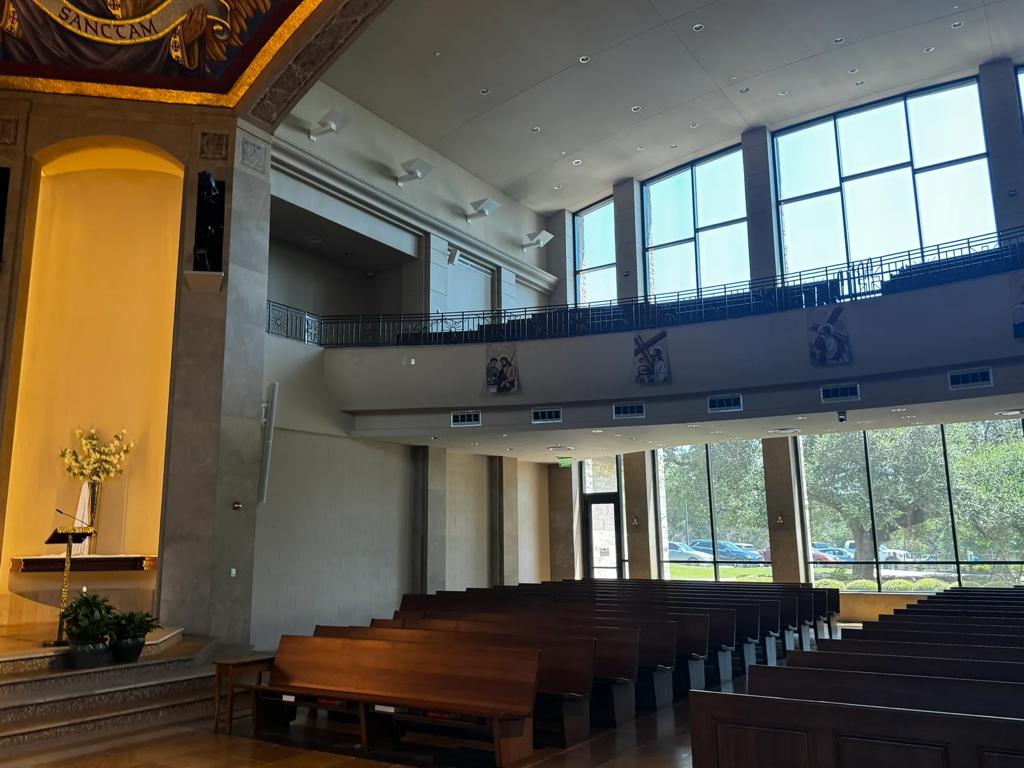
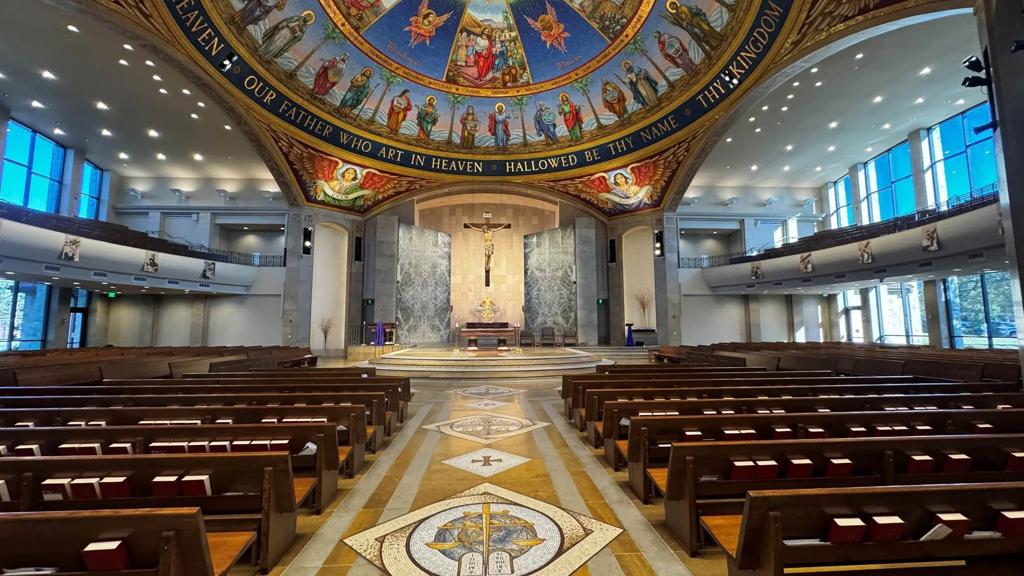
At St. John Neumann Catholic Church , a reverberant worship space struggled with intelligibility for nearly a decade. Multiple systems had been installed, none successfully. The problem wasn’t volume — it was how the room behaved.
The ceilings were high, the surfaces reflective, and the existing passive arrays were mounted too high to control their energy. The result was poor localization, muddy speech, and restless congregants who “could hear the priest but couldn’t understand him.”
Bose Professional MSA12X steerable arrays completely transformed the space. By precisely aiming the acoustic beam at the seating area — and away from reflective surfaces — the system delivered clear, natural, intelligible sound for the first time.
This is the kind of outcome that becomes possible when the design works in harmony with the room.
Best Practices for Acoustically Challenging Spaces
For designers, consultants, and integrators working in difficult rooms, a few principles go a long way:
- Start with the room geometry
- Choose loudspeakers based on control, not just output
- Match the tool to the mounting height
- Consider steerable arrays when reflections dominate
- Model early and often
- Prioritize direct-to-reverberant ratio over loudness
- Never assume more speakers = better sound
With the right approach, even the most challenging spaces can deliver clarity, intelligibility, and consistent coverage.
Turning Challenges into Better Design
Acoustically difficult rooms are everywhere — houses of worship, atriums, lecture halls, retail spaces, transit hubs. And while they present real challenges, they also create opportunities for better engineering, smarter system design, and more intentional loudspeaker choices.
By understanding the room, controlling the energy, and modeling before installing, designers can transform even the most reflective, reverberant, or architecturally constrained environments into spaces where sound feels natural, intelligible, and effortless.
Acoustic challenges aren’t obstacles — they’re design parameters. And when treated that way, they lead to systems that perform beautifully, no matter how complex the room may be.
Talk with our design team
Connect with our design support engineers to review your project and explore the best path to predictable, high-quality results.