Key takeaways
- Loudspeaker selection isn’t a single decision, it’s a layered workflow shaped by ecosystem requirements, room behavior, mounting constraints, aesthetics, budget, and familiarity.
- Most choices are made long before specific loudspeakers are evaluated, with DSP platforms, amplifier compatibility, and network standards determining what’s even possible.
- Room geometry and mounting locations eliminate most candidates, making modeling essential to confirm coverage, intelligibility, and real-world viability.
- Integrators ultimately choose tools that reduce risk, install predictably, and satisfy both acoustic and architectural expectations, not just those with the highest output or lowest cost.
Ask five different integrators how they choose the right loudspeaker for a project, and you’ll probably hear five different answers. Some start with performance requirements. Others begin with aesthetics. Many start with whatever they’ve used for the past ten years. And in large, multi-zone projects, the decision often isn’t about loudspeakers at all — it’s about control, DSP, wiring, or architectural constraints.
The truth is that loudspeaker selection isn’t a linear process. It’s a workflow shaped by real-world pressures, room limitations, budget realities, timelines, and brand familiarity.
Based on hundreds of projects and countless conversations we’ve had with integrators, consultants, and engineers, here’s a practical, nine-step process rooted in real-world constraints and predictable field behavior.
Step 1: Start With the Ecosystem, Not the Loudspeaker
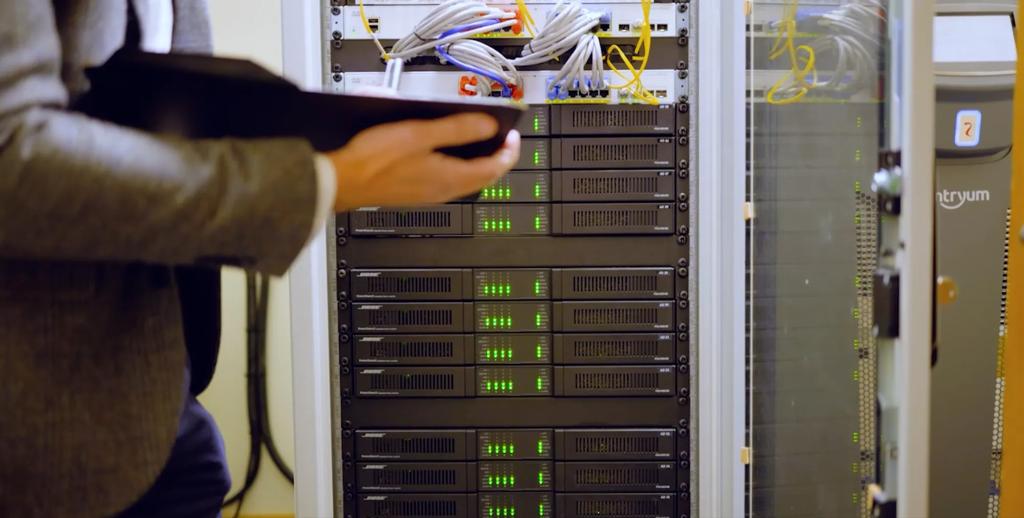
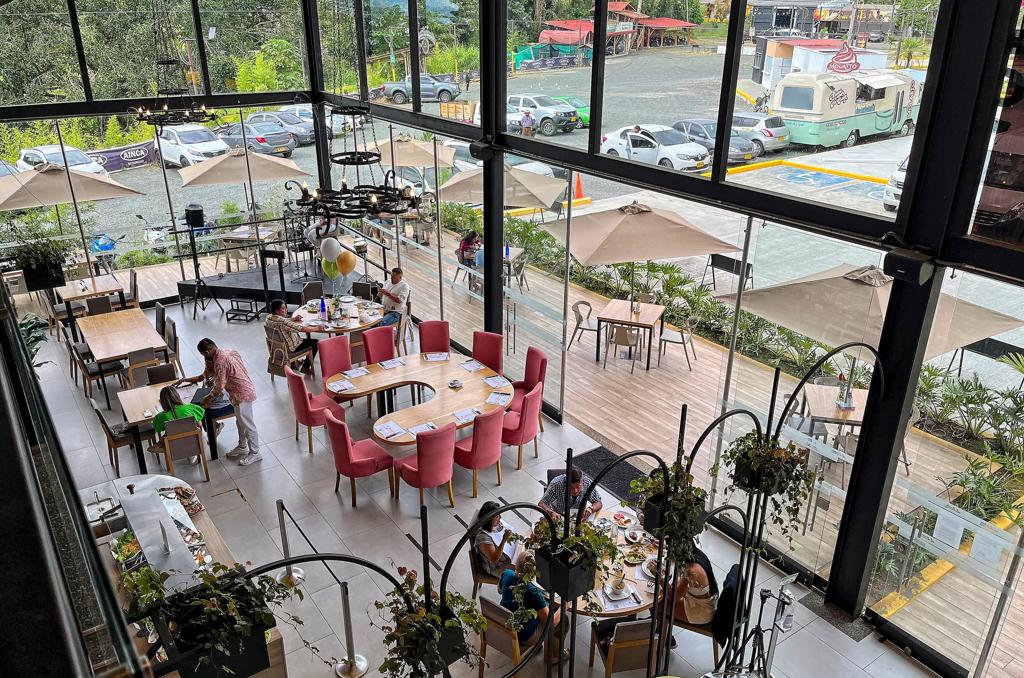
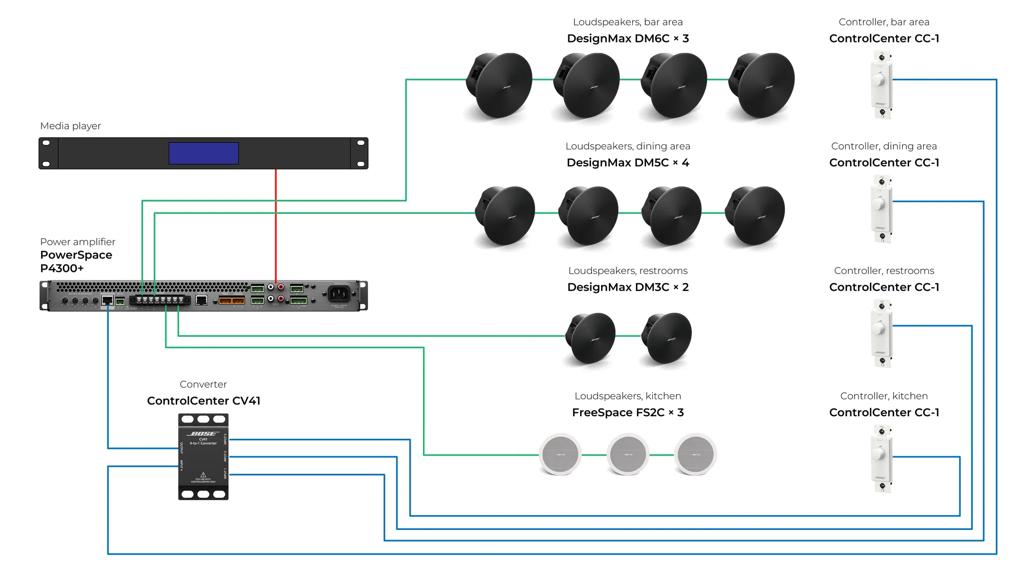
In many projects — especially in enterprise, higher-ed, and multi-building campuses — integrators or designers don’t start with the loudspeaker; the first decisions are often about DSP, control platforms, networking requirements, and amplifier compatibility, not about transducers.
Integrators begin by answering questions like:
- What DSP platforms are approved or standardized on campus?
- What control protocols does IT support?
- Which amplifier family pairs cleanly with that DSP?
- What equipment is already deployed in other rooms or buildings?
Step 2: Evaluate the Room
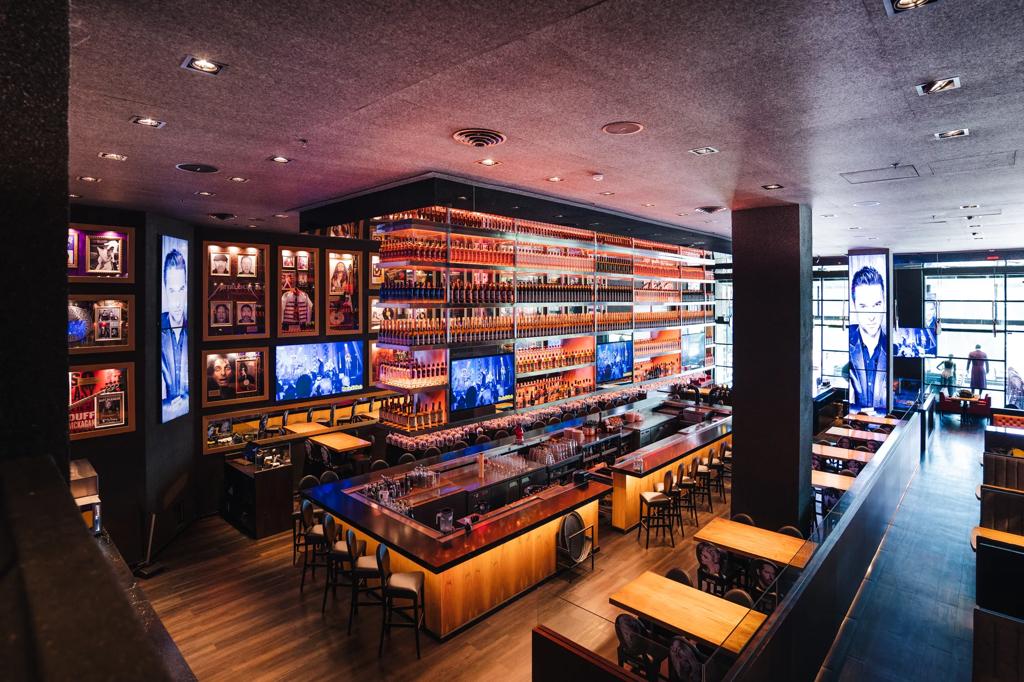
After ecosystem decisions, integrators turn to the room itself.
The key questions at this stage are:
- How big is the space?
- How reflective is it?
- What SPL targets do we need?
- Where can we actually mount speakers?
- What’s the ceiling height?
- Is aesthetics driving the conversation?
- Is this speech, music, or both?
At this stage, integrators zero in on the right type of loudspeaker:
- Room too wide for a column array → point source
- Room too tall for a passive column → steerable
- Room needs widespread coverage → distributed
- Room needs throw + precision → line array
- Room is small + architectural → surface-mount or ceiling
This step alone filters out 60 – 80% of loudspeaker options.
Step 3: Aesthetics Narrow the Field Even More
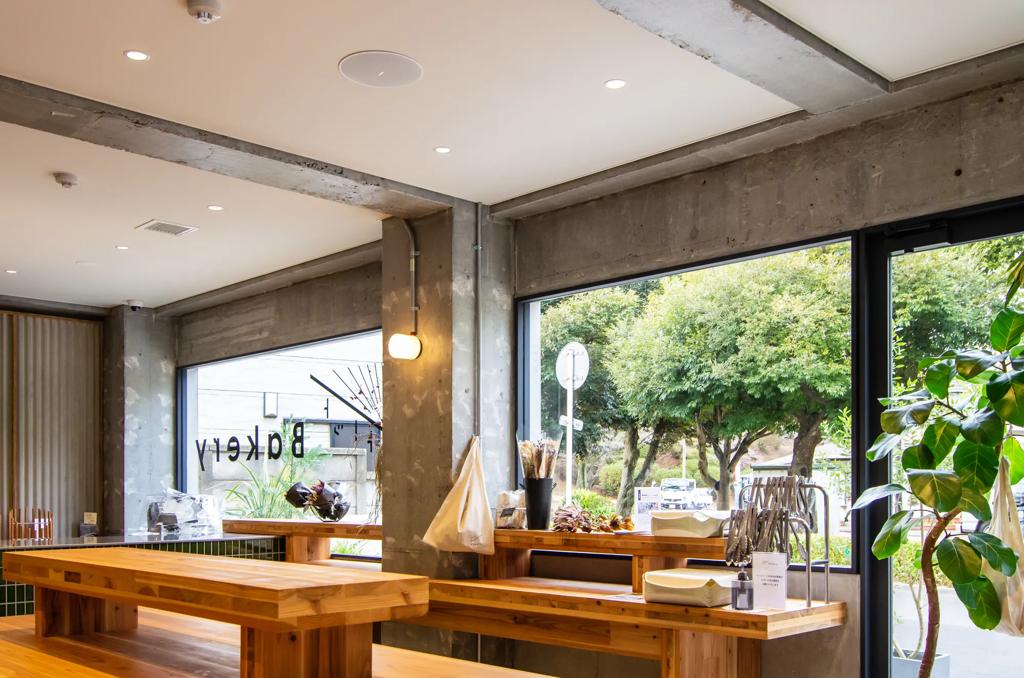
Even when a loudspeaker is technically perfect for the space, integrators tell us that architects, owners, and designers often drive this phase:
- “It has to be invisible.”
- “It needs to match the ceiling.”
- “It can’t protrude.”
- “It has to blend with lighting.”
- “It must align with heritage interiors.”
Which means, the aesthetic requirements often override purely technical decisions.
This is why many integrators specify DesignMax even when a performance-forward loudspeaker might produce higher output. In architecturally sensitive spaces, appearance becomes paramount.
Step 4: Realistic Mounting Locations Drive the Final Format
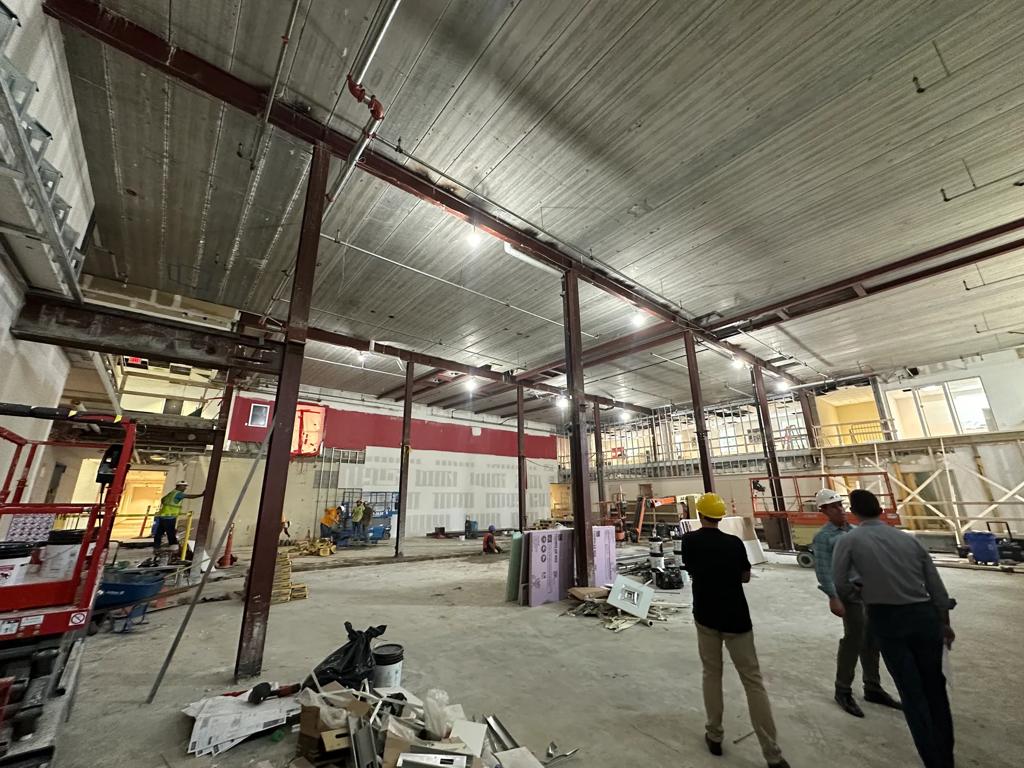
Once the loudspeaker categories are narrowed, mounting constraints determine the remaining viable candidates.
- Columns can’t go where physics wants them
- Walls can’t support a point-source cluster
- Ceiling can’t accommodate larger cutouts or backcans
- Existing conduit dictates cable paths
- Heritage rules restrict drilling or mounting
- Sightlines eliminate certain placements
At this stage, integrators often say: “Okay, now show me what works from here.”
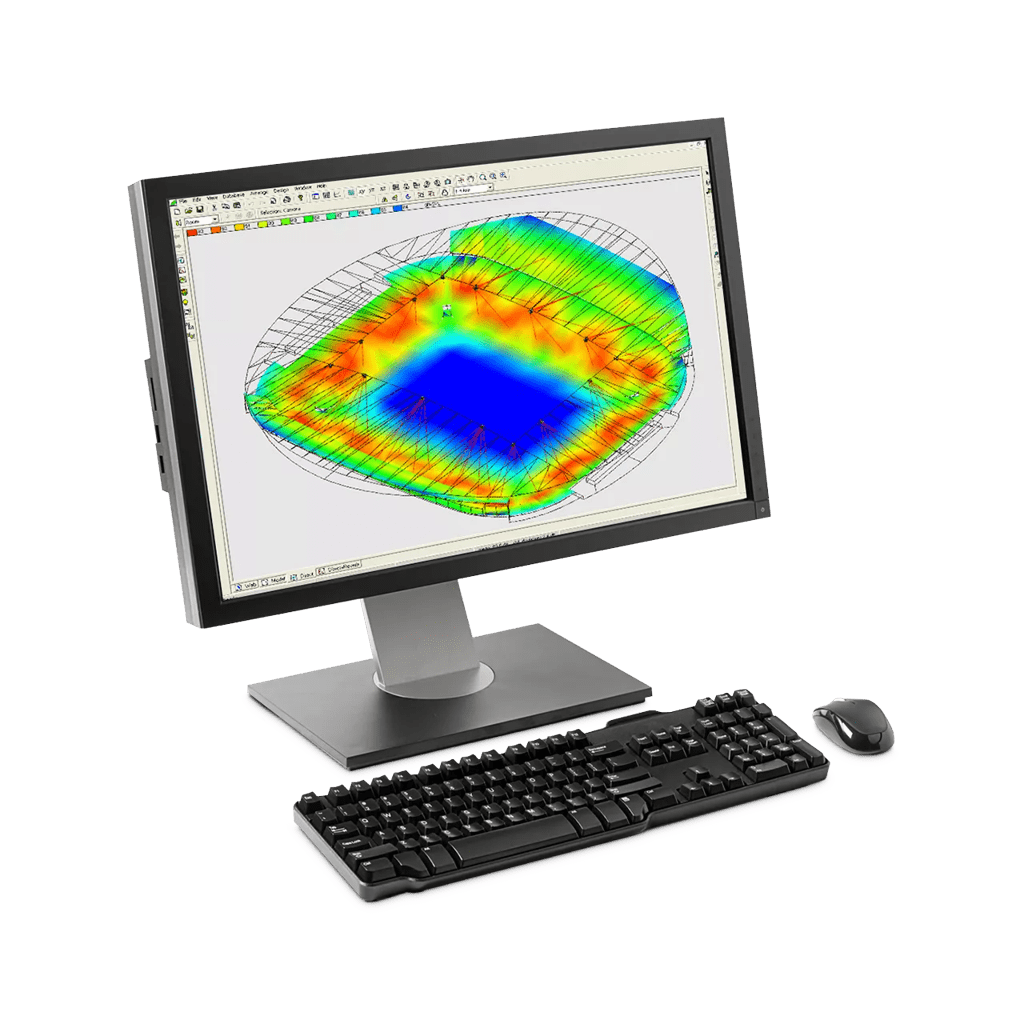
This is where Bose Professional’s Design Support becomes extremely valuable — modeling reveals which solutions actually behave well from the available mounting points. This takes the guesswork out of even the most complex projects.
Step 5: SPL, Headroom, and Coverage Requirements
Only after the previous filters does the conversation get truly technical. Integrators now evaluate:
- Maximum SPL
- Continuous headroom
- Frequency response
- Horizontal and vertical patterns
- Throw distance
- Coverage uniformity
- Speaker-to-listener distance
- Direct-to-reverberant ratio
This is where the short list gets extremely short.
For example, a church may start with five candidate product families, but mounting height, architectural rules, and coverage needs may narrow it to one actual option — a steerable column array.
Step 6: Subwoofers are a Different Workflow Entirely
Subwoofer selection is almost always a separate process. Integrators choose subs based on:
- Location (indoor/outdoor)
- Size and footprint
- Maximum output
- Mounting or concealment needs
- Whether the client is music-forward or speech-forward
- Whether the building can physically accommodate low-frequency energy
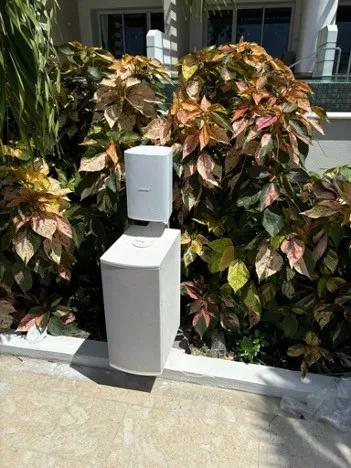
Most integrators pick a subwoofer based on physical constraints first and frequency needs second — regardless of which brand the subwoofer is.
This is why products like the MB210-WR fill such a significant real-world gap.
Step 7: Familiarity and Past Success Influence the Final Decision
Even after all the technical and architectural considerations, real-world product familiarity is a major factor.
Integrators often choose:
- What they’ve installed for years
- What they know won’t fail an inspection
- What their techs can install fast
- What they can service
- What the client already trusts
- What their team has stock for
- What has a smooth commissioning process
Step 8: Balance Performance with Budget
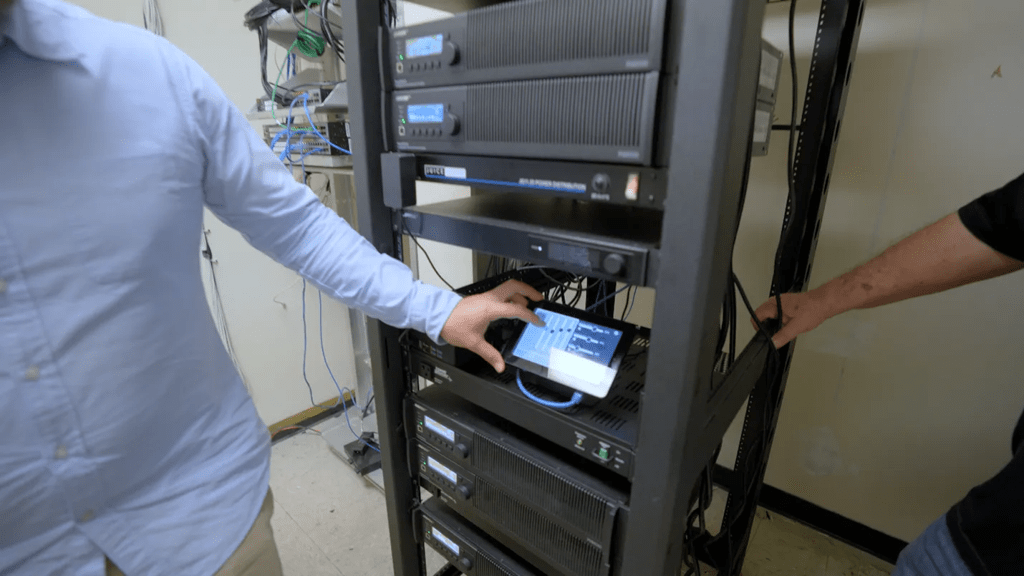
Budget is an ongoing filter that overlays every other decision. Integrators think about cost from the very beginning, but they evaluate it in context of the whole system, not just the loudspeaker.
Throughout the workflow, they’re weighing:
- How many amp channels this design requires
- Whether the DSP fits the budget
- The cost of accessories and mounting hardware
- Labor time and installation complexity
- Whether a more efficient loudspeaker reduces the total system cost
- Whether the client will accept the acoustic trade-off of a more affordable option
In many cases, an integrator might realize:
- “This point-source box is cheaper but requires more loudspeakers.”
- “This column array is more expensive but saves hours of installation time.”
- “This steerable array costs more upfront but solves the room in a way that avoids added treatment.”
- “This subwoofer is perfect, but the footprint requires construction work the client won’t approve.”
So the loudspeaker choice isn’t made in isolation, it’s a negotiated balance between performance, predictability, and system-wide cost.
Step 9: The Final Filter — “Will This Actually Work?”
At the end of this long workflow, one step remains: modeling and validation.
This is where the integrator checks things like:
- Coverage uniformity
- SPL capability
- Mounting viability
- Reflection paths
- Steering angles
- Bass response
- Tonal consistency with other zones
- STI / intelligibility
- System headroom
Bose Professional Design Support often changes the job outcome — integrators frequently use the modeling report to justify their choices to architects, owners, and consultants.
The Real Workflow Isn’t Linear — It’s Layered
Selection the right loudspeakers is a cascade of constraints and priorities, involving:
- Ecosystem
- Room geometry
- Aesthetics
- Mounting
- Coverage physics
- Subwoofer realities
- Familiarity
- Budget
- Modeling confirmation
Understanding this process explains why certain products get specified constantly — and why new products require hands-on exposure to drive adoption.
It also highlights a simple truth — integrators choose tools that reduce risk, speed up installation, work predictably, and satisfy the room, the designer, and the client.
When those conditions align, great systems follow.
Talk with our design team
If you’d like help reviewing your plans, modeling coverage, or selecting the best tools for your environment, our design support engineers are here to assist.